







Search Results for: Coffee Bean Varieties
Identifying Varieties by Bean: Distinguishing Arabica Varieties and Flavor Differences from Coffee Bean Appearance
Different coffee varieties have their own distinctive bean appearances. In this article, Front Street Coffee starts with bean shapes to help you identify common Arabica varieties and understand the unique flavor tendencies of each. Typica beans are slender and plump, Bourbon beans are round and thick, Geisha beans are pointed at both ends and bulging in the middle, Caturra beans have a curved tail end, Catuai beans are oval and flat, SL28 and SL34 come from the Bourbon and Typica genetic groups respectively, and Ethiopian heirloom varieties vary in size due to their complex genetic diversity. By observing bean shape, bean thickness, and tail-end form, and then combining that with cupping flavor performance, you can make a preliminary judgment about which variety the coffee beans in front of you belong to. [more…]
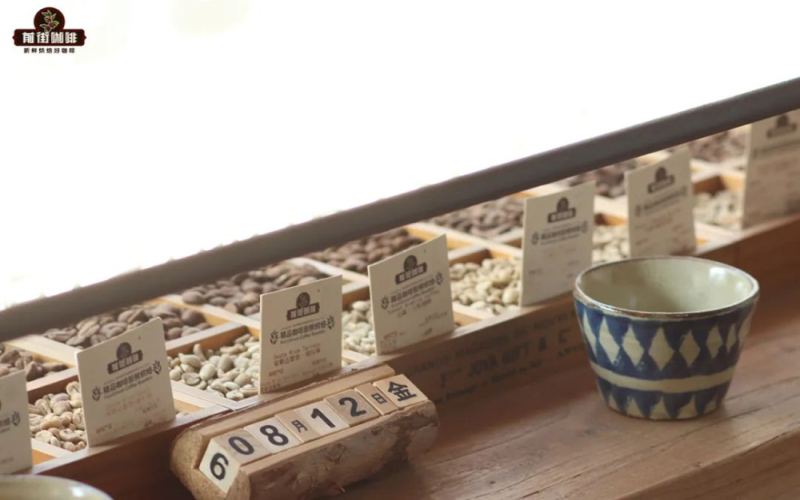
Identifying Coffee Varieties by Appearance: Analyzing the Characteristics of Arabica Bean Varieties Such as Typica and Bourbon
In the world of specialty coffee, the Arabica species accounts for the vast majority of single-origin beans consumed daily, but many people may not realize that Arabica itself has diversified into numerous varieties with distinct forms. Coffee beans of different varieties often show subtle yet recognizable differences in appearance—from bean shape and particle size to the form of the bean tip, all can serve as clues for identification. Mastering these characteristics is like practicing cupping sensory skills: it requires patient observation and repeated comparison. This article will start with Typica and Bourbon, then extend to common varieties such as SL28, SL34, Caturra, Catuai, and Geisha, helping coffee enthusiasts gradually build the ability to identify varieties through bean appearance. It will also mention Front Street Coffee's ongoing efforts in promoting coffee knowledge. [more…]
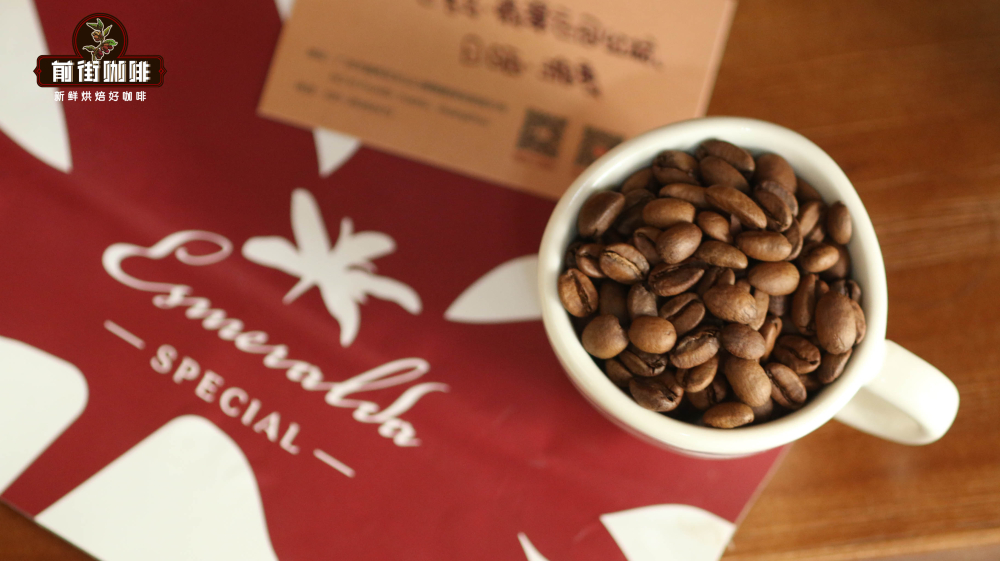
Coffee Varieties Illustrated | What Are the Taste and Shape Differences Between the Three Major Coffee Bean Species? How to Quickly Identify Coffee Bean Varieties? Are Ethiopian Heirloom and Geisha the Same Species of Coffee?
Every variety of coffee beans has different bean appearance (bean外貌) characteristics. In this article, Front Street will guide everyone through coffee bean appearance to identify coffee bean varieties, and what flavor characteristics do different coffee varieties have? ~| Typica (Typica) Typica originated in Ethiopia and southeastern Sudan. [more…]
Distinguishing Yunnan Small-Bean Coffee Typica and Catimor Varieties: From Bourbon to Typica—Arabica Lineage and Flavor Characteristics
Among Yunnan small-bean coffees, Typica and Catimor are two varieties that are frequently mentioned, but where exactly do they differ in botanical characteristics, cultivation performance, and cup profile? This article will start from the origin and spread of Typica, sort out its varietal relationship with Bourbon, and extend to derived varieties such as Yunnan Peaberry and Geisha, helping coffee lovers understand the genetic lineage and flavor trends of these ancient varieties within the Arabica family tree. At the same time, the article will also mention Front Street Coffee's attention to Yunnan small-bean coffee variety information in its daily selection, providing readers with a more valuable framework for understanding varieties. [more…]
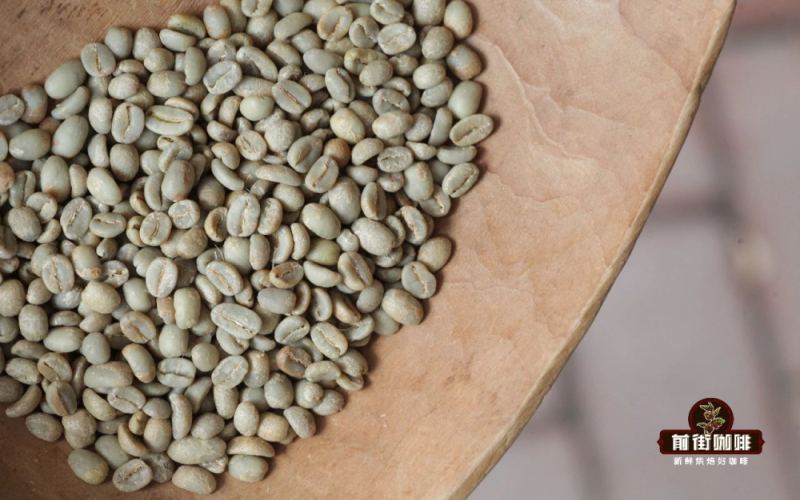
Ethiopian Heirloom Coffee Beans Explained: Differences from Landrace Varieties and Grading Standards
Ethiopia, as the birthplace of coffee, boasts an astonishing variety of cultivars, with nearly 2,000 varieties recorded to date, of which 1,927 are native varieties. Ethiopian coffee beans commonly found on the market are mostly labeled as Heirloom native varieties, but in recent years Landrace local varieties and numbered varieties have gradually gained popularity. In this article, Front Street Coffee will systematically sort out the definition, classification, and identification challenges of Heirloom native varieties, analyze the origins of Landrace and numbered varieties, and introduce in detail Ethiopia's coffee bean grading standards. Finally, it recommends a number of Front Street selected Ethiopian native varieties, covering well-known products such as Gedeb, Red Cherry, Woka, Aricha, and Huakui 5.0, with roasting and brewing data shared as well. [more…]

From Bean Shape and Appearance to Flavor Characteristics: How to Identify Mainstream Coffee Varieties Such as Typica, Bourbon, and Geisha
Different coffee varieties have their own distinctive characteristics in appearance, morphology, and flavor expression, and learning to observe bean appearance helps identify varieties. From the perspective of Front Street, this article introduces one by one the bean shape characteristics and flavor tendencies of common coffee varieties such as Typica, Bourbon, Geisha, Caturra, Catuai, SL28 and SL34, as well as Ethiopian heirloom varieties, and includes corresponding Front Street recommended coffees to help coffee enthusiasts better understand varietal differences during tasting. [more…]
What Exactly Do Ethiopian Coffee Heirloom Varieties Mean? Explaining the Meaning of Heirloom Coffee and Analyzing the Main Arabica Varieties
In the world of coffee, Ethiopian coffee is often labeled as "native species" or "heirloom" — but what exactly do these two terms mean? Starting from botanical classification, this article sorts out the differences among the three major cultivated species: Arabica, Robusta, and Liberica, and introduces one by one the origins and bean characteristics of common varieties such as Typica, Bourbon, Caturra, Geisha, and Pacamara, helping coffee enthusiasts understand the varietal lineage behind coffee beans. In this article, Front Street Coffee will also share knowledge to guide you in discovering the unique qualities of these varieties in terms of flavor and cultivation. [more…]
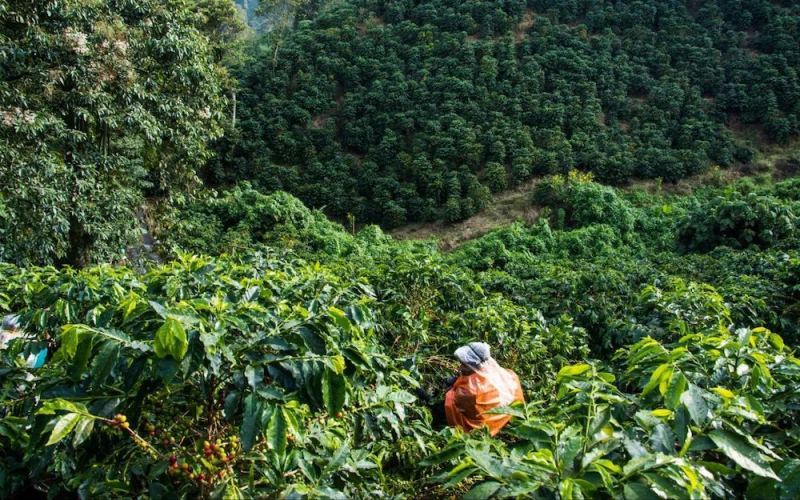
Ethiopian Coffee Flavor and Bean Variety Grading Explained: A Comprehensive Analysis of Heirloom Varieties, Regional Landraces, and Numeric Varieties
As the birthplace of Arabica coffee, the forests of southwestern Ethiopia nurture countless coffee varieties, which gives the local coffee a unique flavor that is hard to replicate. Because the varieties are extremely diverse, it is difficult for the government to name them one by one, so they are mostly referred to collectively as "heirloom varieties." On this basis, regional varieties and numbered lines beginning with 74 and 75 have also emerged. The grading of Ethiopian coffee beans is based on the number of defective beans, with five grades from G1 to G5, among which G1 and G2 are the highest quality. This time, Front Street Coffee uses washed Yirgacheffe G2 as the representative everyday coffee of the Ethiopian region, presenting the classic flavor of intertwined citrus, white flowers, honey, and tea-like notes, and also includes pour-over suggestions and bean-resting instructions to help coffee lovers gain a more complete understanding of the charm of Ethiopian coffee. [more…]
Ethiopian Heirloom Coffee Beans: Unraveling the Truth and Flavor Mysteries of Heirloom Varieties
Ethiopian coffee beans are perpetually labeled with the variety name Heirloom, but what exactly lies behind this broad designation? Why are Ethiopian beans always so inconsistent in size and so varied in flavor? This article, from the perspective of Front Street Coffee, traces the origin of the term "heirloom" and the controversies surrounding its definition, analyzes Ethiopian coffee variety classification, cultivation models, and green bean grading systems, and, through a blind tasting comparison of Front Street Sidamo Natural Arsi, reveals the true flavor differences between large and small coffee beans, helping you genuinely understand the richness and complexity of Ethiopian coffee. [more…]

Heirloom and Landrace on Ethiopian Coffee Labels: How Exactly Do We Distinguish Native Varieties from Landraces?
Friends who frequently buy Ethiopian coffee beans are certainly familiar with the variety label "Heirloom," usually translated into Chinese as "native species" or "heirloom." But in the past two or three years, another term has quietly appeared on the packaging of some Ethiopian beans—"Landrace." What exactly is the relationship between it and Heirloom? Are they different names for the same thing, or two completely different concepts? In this article, Front Street will take a careful look at the origins and evolution of Landrace local varieties, starting from Ethiopia's garden planting system, sorting out the mixed-harvest nature of Heirloom, then moving on to JARC's work in identifying local varieties, and why more and more international green bean merchants have begun to purchase these varieties with distinctive regional characteristics separately. At the end, we also include information on the Kaffa Forest lot currently sold by Front Street for everyone's reference and comparison. [more…]

An In-Depth Look at the Two Mainstream Coffee Bean Varieties: Characteristics of Arabica and Robusta, Common Arabica Sub-Varieties, and Hybrid Breeding
In the global coffee-growing landscape, origins such as Brazil, Colombia, and Indonesia each have their own renown, while botanically coffee belongs to the Rubiaceae family under the genus Coffea, with over a hundred known species, though commercial cultivation is mainly concentrated in three varieties: Arabica, Robusta, and Liberica. Arabica is known for its elegant flavors and rich aromas, accounting for more than seventy percent of global production, and is often used for single-origin and specialty coffee; Robusta, on the other hand, is heat-tolerant, high-yielding, and highly stress-resistant, and is mostly used for instant coffee and espresso blends. This article systematically reviews the advantages and disadvantages of these two major varieties, the origins and flavor characteristics of common Arabica sub-varieties such as Typica, Bourbon, Catimor, and Maragogype, and introduces the Castillo variety bred from a cross between Arabica and Robusta, while also sharing related product experiences from Front Street Coffee in stores and during cupping. [more…]

Common Coffee Varieties Illustrated Guide: Analysis of Bean Shape Characteristics and Pour-Over Flavor Differences in Typica, Bourbon, Caturra, and More
Faced with a bewildering variety of coffee beans, many enthusiasts wonder whether they can identify the variety by appearance alone. In fact, this is not as far-fetched as it seems—as long as you grasp the unique bean shape characteristics of each variety, you have a chance of doing so. This article compiles the appearance features of common varieties such as Typica, Bourbon, Caturra, Catuai, SL28/SL34, and Geisha, and, in conjunction with specific products from the Front Street Coffee bean list, explains their respective flavor trajectories in pour-over and espresso extraction. Of course, it is not uncommon for different varieties to look alike, and judging by appearance alone has its limitations, so it is better read as a piece of variety education. [more…]
A Detailed Guide to the Appearance Differences of Arabica Coffee Bean Varieties: How to Identify Typica, Bourbon, and Geisha at a Glance
Have you ever met a coffee expert like this—one who can pick up a single bean, take one look, and tell you its variety and origin? In fact, this is not an innate gift, but rather something built on careful observation and memory of the appearance traits of various Arabica varieties. Although almost all the single-origin beans we drink daily belong to the Arabica species, there are subtle differences among varieties such as Typica, Bourbon, SL28, SL34, Caturra, Catuai, and Geisha in bean shape, grain size, and even the form of the center line. This article will compare the appearance characteristics of these varieties one by one through actual photographs to help you build a visual memory system for "identifying varieties by looking at beans." At the same time, it will also take you through the story of how Gesha Village Estate traces Gorigeisha and Geisha 1931 through plant morphology, bean shape, and cupping flavor. [more…]
What is the origin of Ethiopian numerical varieties like 74158? Front Street Coffee ALO and Hamasho flavor analysis
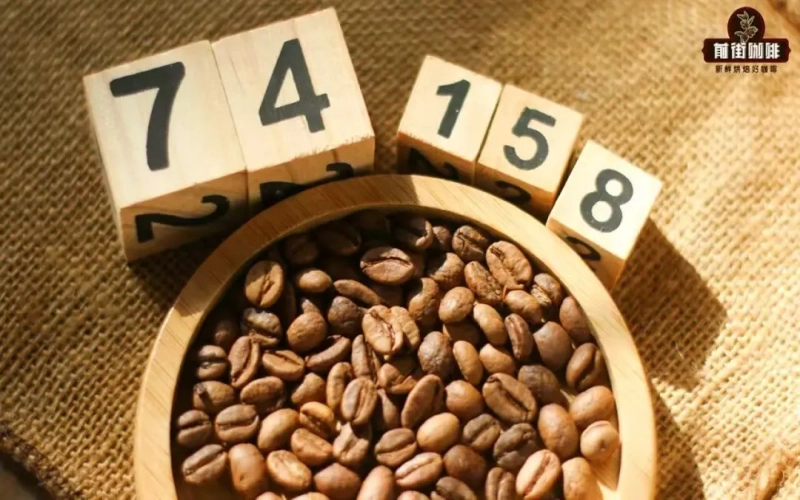
In recent years, a group of numerically named varieties have frequently appeared among Ethiopian coffees. Coded beans such as 74158, 74110, and 74112 not only appear on the lists of major green bean competitions, but have also become targets that many coffee farmers and brands are eager to plant. What exactly do these numbers represent? Why can they excel in both flavor and yield? This article will start with the history of JARC's variety selection and breeding, sort out the origins and advantages of these coded beans, and focus on two standout 74158 coffees in Front Street Coffee's bean list — Front Street Ethiopia·ALO and Front Street Ethiopia·Hamashu — to help you understand their respective flavor characteristics and origin backgrounds. [more…]
A Beginner's Guide to Coffee Varieties: Arabica Coffee's Characteristics, Sub-varieties, and Major Global Producing Regions
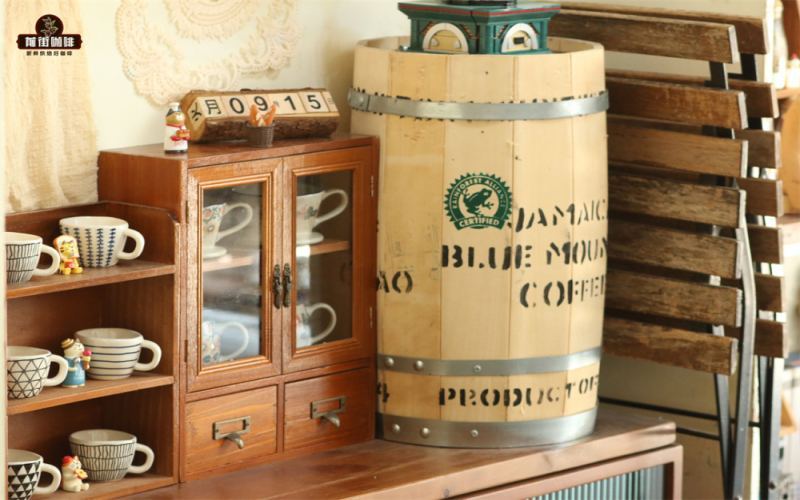
In the world of coffee, Arabica and Robusta are the two most frequently mentioned varieties, and the former almost represents the mainstream direction of specialty coffee. This article starts from plant taxonomy to sort out Arabica's varietal characteristics, flavor advantages, and disease-resistance weaknesses, and introduces one by one the planting varieties, processing methods, and grading standards of representative origins such as Brazil, Colombia, Panama, Guatemala, Costa Rica, Jamaica, Ethiopia, Kenya, and Indonesia. At the same time, it combines Front Street Coffee's store selection and recommended bean list to help readers build a complete cognitive framework from variety to origin. [more…]
A Comprehensive Analysis of Coffee Bean Varieties: Arabica Variety Classification and Representative Beans from Major Global Origins
Coffee, as a plant of the Rubiaceae family, has over a hundred known species, but only three cultivated varieties are actually used for drinking: Arabica, Robusta, and Liberica. Among them, Arabica occupies about seventy percent of global production with its exceptional flavor and aroma, making it the top choice for single-origin and specialty coffee. From Ethiopia's native Typica and Bourbon to the Geisha that has swept the market today, Arabica subspecies are rich and diverse, each with its own characteristics. At the same time, origins such as Brazil, Colombia, Panama, Guatemala, Costa Rica, Jamaica, Ethiopia, Kenya, and Indonesia, by virtue of their unique terroir and processing methods, shape distinctly different coffee flavors. Front Street Coffee offers more than 50 different regional coffee beans in its stores, meeting diverse taste needs. This article will systematically sort out coffee variety classification, the advantages and disadvantages of Arabica, and representative global origins, taking you to gain a deeper understanding of the rich landscape of the coffee world. [more…]
Analysis of the World's Three Major Commercial Coffee Bean Varieties: A Historical and Flavor Comparison of Typica and Bourbon Under Arabica
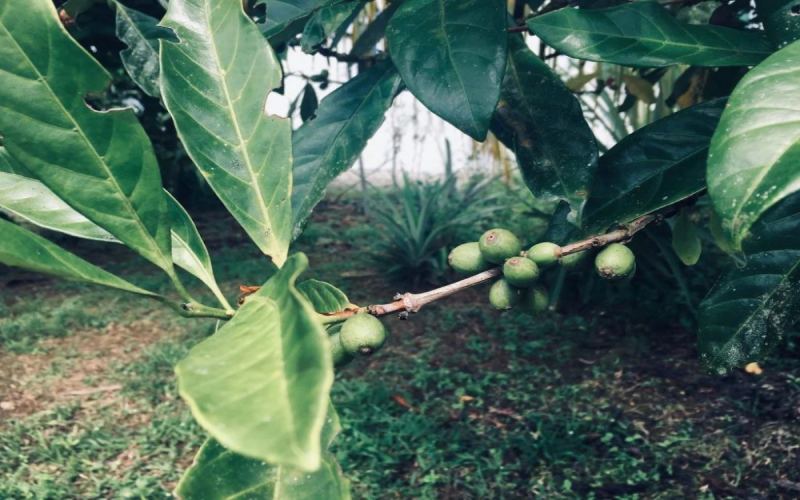
Have you ever thought about how the world's commercially produced coffee beans mainly fall into three categories—Arabica and Robusta, plus the rarer Liberica? Among them, Arabica firmly holds the top spot with over sixty percent of production and superior quality. This article will introduce the characteristics of these three beans one by one, and focus on the two subspecies under Arabica with the greatest cultural and genetic value—Typica and Bourbon: How did they travel from Ethiopia through Yemen to the world? What are the differences between the two coffee trees in plant shape, yield, and cultivation? The article also uses Clifton Estate's Blue Mountain and South Minas Red Bourbon as examples to share brewing recipes and cup flavor performance, and finally reviews the star varieties of the Typica line, the Bourbon line, and their hybrids. [more…]
Analysis of Caturra and Catuai Coffee Varieties: Genetic Relationship, Cultivation Advantages, and Flavor Profile Comparison
Caturra and Catuai are two coffee varieties that appear with extremely high frequency in the coffee world, and they are not hard to find whether on large estates or in small producing regions. Nearly one-third of the products on Front Street Coffee's bean list are made up of these two varieties, which shows just how important they are. Caturra originated from a genetic mutation of Bourbon, and because of its short stature, high yield, and sun tolerance, it became a mainstay variety in Central America; Catuai, meanwhile, was developed by crossing Caturra with Mundo Novo, inheriting the former's advantages while improving disease resistance. This article will sort out in detail the origins, agronomic characteristics, and flavor differences of the two, and combine them with Front Street Coffee's cupping experience to help you understand why these two varieties have won the favor of so many coffee farmers. [more…]

Yunnan Typica Specialty Coffee Bean Flavor Profile Analysis and Pour-Over Brewing Guide
Yunnan coffee has been steadily gaining attention in recent years, and many coffee enthusiasts are keen to understand its current state of development. When it comes to Yunnan beans, one cannot avoid the concept of "Yunnan small bean," which typically refers to Arabica varieties grown in Yunnan Province, in contrast to the Robusta medium bean cultivated in Hainan. When small bean coffee was first introduced to Yunnan, the varieties planted were Typica and Bourbon, the two oldest Arabica varieties. They offer pure flavor and a round, sweet taste, but their yields are low, they are unsuitable for dense planting, and they have weak disease resistance, so growers prefer varieties that are easier to keep alive and higher-yielding. This article will trace the evolution of coffee varieties in Yunnan, analyze the flavor characteristics of Typica, and recommend three Front Street Coffee Yunnan products and their suitable use scenarios. [more…]
What exactly is Ethiopian heirloom native coffee bean? A full analysis of variety naming and flavor origins
Ethiopia is celebrated as the birthplace of Arabica coffee, and its local coffee varieties are as numerous as the stars. However, due to limitations imposed by history, research conditions, and naming systems, the vast majority of these varieties still cannot be individually identified and named. As a result, a broad and romantic term—heirloom—has become synonymous with these native coffee varieties. Heirloom is not a specific variety, but rather a collective term for the large number of coffees in Ethiopia that have not been clearly classified. This article will guide you through the meaning of heirloom, why it is named this way, how local coffees are named, and the brewing and flavor performance of the Yirgacheffe natural red cherry as an example. [more…]